Retractable vs Fixed Awnings: What Works Best in Newcastle Weather?
An awning can make an outdoor space feel like part of the home, not an area that only gets used on “perfect” days. But not all awnings handle the same conditions, and the difference becomes obvious when weather changes quickly. A solution that looks great on a calm, sunny day can struggle when rain hits sideways or wind picks up.
That is why comparing retractable awnings and fixed awnings is worthwhile. Both can improve comfort, protect outdoor areas and reduce heat on windows, but each performs differently depending on location, exposure and how often the area is used. The goal is to choose a design that suits real conditions, not just the brochure photo.
Retractable vs Fixed Awnings: The Quick Verdict
If you want flexible, seasonal control — capturing winter sun, blocking summer heat, and opening things up on calm days — retractable or Auto Awnings suit a patio or west-facing opening well. If your site is exposed, elevated, or catches gusting westerlies most of the year, fixed or track-guided styles like Straight Drop or Ziptrak awnings give constant cover without relying on someone remembering to retract them before a storm. Neither is universally "better" — it comes down to how exposed your site is and how much you want to adjust shade through the year.
Newcastle Conditions Change Fast: Why the Weather Should Drive Your Awning Choice
When planning an awning for Newcastle's conditions, it helps to be honest about what it will face. Strong sun is one thing. Add rain, coastal air and gusty wind, and the design requirements change quickly. Awnings need to handle exposure without becoming a safety risk or a constant maintenance job.
- Sun exposure can fade fabrics and heat internal rooms, especially on western-facing areas
- Rain protection depends on pitch, water run-off and coverage beyond the window or patio edge
- Wind loads matter more than most people realise, and they influence frame strength and fixing methods
The best results come from choosing materials and designs tailored to local conditions, and then having the awning measured and installed properly so that it performs as intended.
How Retractable and Auto Awnings Work
Auto Awnings use side guides and can be locked off at any height, giving you control over how much shade you want at any given moment — fully extended for an entertaining afternoon, partly closed for filtered light, or fully retracted to open the space up completely. That flexibility is what makes them a popular choice for patios and entertaining areas where the same spot gets used differently through the day and across seasons.
How Fixed and Straight Drop Awnings Work
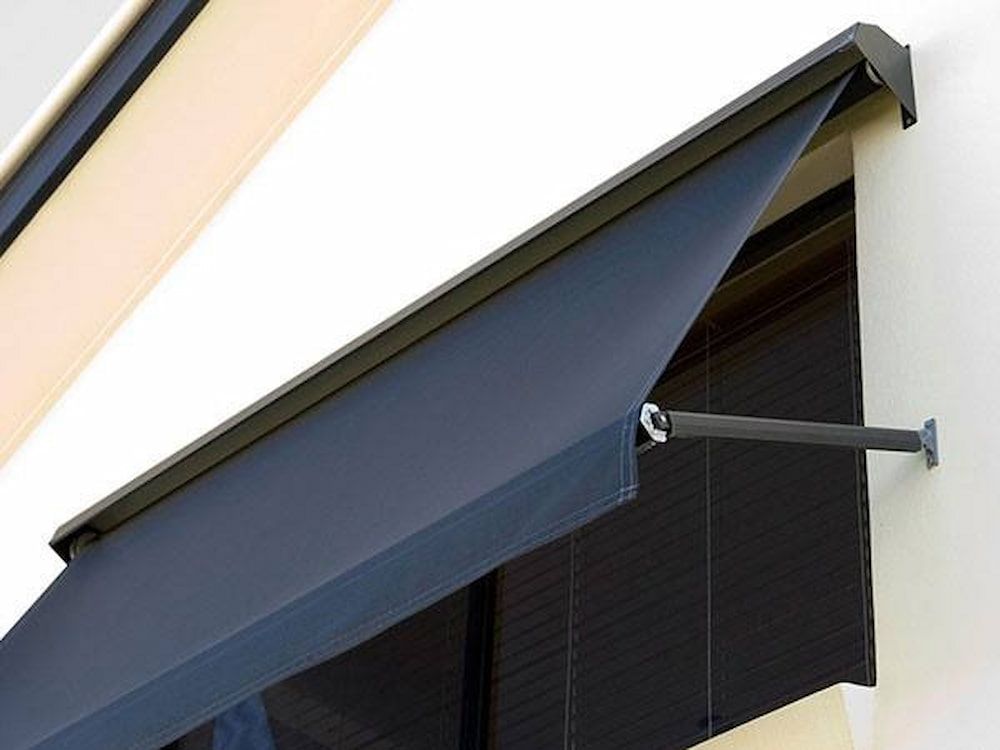
Straight Drop Awnings use a vertical drop with a compact top box and strap or bracket fixings — simple, low-maintenance, and well suited to a tight balcony or a spot where nothing needs to project past a walkway. Ziptrak-style track-guided awnings take a similar fixed-position approach a step further: side channels keep the fabric held firmly in its track, which reduces flapping and closes off the light gaps you'd get with an open retractable system. For an exposed or windy block, that stability is often the deciding factor.
Both come in several configurations — see the full awnings range for the options we carry.
Which Handles Newcastle Wind and Storms Better?
Wind is usually the real deciding factor, more than sun or rain. Coastal and elevated Newcastle properties regularly cop gusting westerlies, and that changes what "the right awning" means. Track-guided styles — Ziptrak and similar side-channel systems — hold their fabric stable in wind because the channels stop it flapping loose the way an open retractable arm can.
An open Auto Awning, by contrast, is designed for everyday weather, not extreme conditions when extended — it should be retracted in strong wind or when a storm's forecast, the same way you'd bring in outdoor furniture. A wind sensor or timer can handle this automatically on a motorised system, retracting the awning before you'd think to do it yourself.
Rain performance follows a similar pattern: a properly pitched, correctly installed awning sheds water cleanly regardless of style, but a fixed or track-guided structure holds that pitch and coverage consistently without any input from you.
Fabric plays into wind and weather performance too — for a closer look at what holds up best in salt air and coastal exposure, see our guide to choosing awning fabric for coastal conditions.
Seasonal Control: Blocking Summer Sun, Keeping Winter Warmth
This is where retractable and Auto Awnings genuinely have the edge. Because you control when they're extended, you can block harsh summer sun on a west-facing window through the hottest months, then retract the awning in winter to let low-angle sun back in and warm the room naturally. A fixed awning shades the same footprint year-round — which is exactly right for an entry or walkway that needs constant cover, but means giving up that winter sun on a living space or patio, since the structure doesn't know the difference between a January afternoon and a July one.
Heat, Glare and Comfort: Is There a Difference Between the Two?
Both styles reduce glare and heat load on windows and doors when sized and placed correctly. Fixed awnings give consistent shading through peak heat hours without any adjustment needed, while retractable styles let you dial back coverage once the sun's angle changes later in the day. Denser, UV-resistant fabric outperforms a lighter, decorative option either way — the fabric matters as much as the style itself.
Which Should You Choose for Your Space?
For a west-facing patio or entertaining area where you want to adjust shade through the day and across seasons, retractable or Auto Awnings are usually the better fit. For an exposed, elevated, or consistently windy site — or a compact balcony where a simple, lower-maintenance structure makes more sense — fixed or track-guided styles like Straight Drop or Ziptrak tend to perform better with less day-to-day thought required. If you're also weighing up hand-crank versus motorised control as part of this decision, our comparison of motorised vs manual awnings covers that side of it in more depth.
Retractable Awnings: Flexible Shade When You Want It, Open Sky When You Don’t
Retractable awnings are built for flexibility. They extend when you need shade or rain cover and retract when you want open space. For many households, that ability to control light and airflow is what makes retractable awnings appealing, particularly for patios and entertaining areas.
- Shade can be adjusted depending on the time of day and angle of the sun
- Retracting the awning helps protect fabric and mechanisms when not in use
- Motorised options can make daily use easier, especially on larger spans
Retractable awnings are often chosen for outdoor lifestyle spaces because they allow a clear view and open feel when retracted. The key is choosing a model with hardware and fabric suitable for variable weather conditions.
Fixed Awnings: Reliable Coverage That Works Every Day
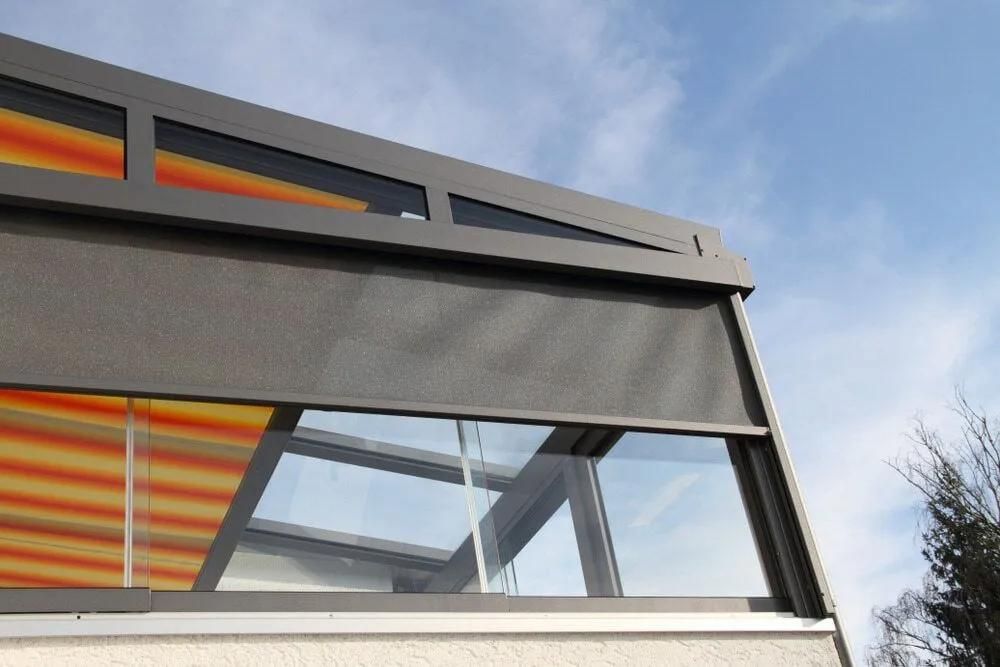
Fixed awnings provide consistent protection because they remain stationary. That simple difference makes them a strong option for areas that require daily coverage, such as windows that receive direct sunlight or entry points where rain protection is essential year-round.
- Provide constant shade and help protect window frames, glass and internal furnishings
- Offer reliable rain cover, especially when pitch and run-off are designed correctly
- Suit entryways, walkways and windows where you do not need regular adjustment
Fixed awnings can also be designed as statement features, adding structure and character to a façade. For homes and businesses that want set-and-forget coverage, fixed awnings are often the more practical long-term option.
Sun & Heat Control: What Each Style Does for Indoor Comfort & Energy Use
Awnings are not just about outdoor comfort. They can also reduce heat entering through windows, which helps indoor spaces stay cooler and reduces reliance on air conditioning. Both retractable and fixed styles can do this well, but performance depends on placement, size and fabric choice.
- Blocking direct sun reduces glare and heat load on windows and doors
- Fixed options provide consistent shading during peak heat hours
- Retractable designs allow winter sun access when shade is less important
Fabric selection also affects performance. A denser, UV-resistant fabric will block more heat and protect outdoor furniture more effectively than a light, decorative option. A professional assessment helps match coverage to sun angles and window placement.
Wind & Storm Readiness: The Strength Question Most People Miss
Wind is often the deciding factor when choosing between retractable awnings and fixed awnings. Any awning needs to be suited to wind exposure, but retractable systems rely on correct use as well as correct installation. If strong winds are expected, the awning should be retracted to prevent strain on arms and brackets.
- Fixed designs can be engineered for consistent exposure and braced accordingly
- Retractable systems need durable hardware and secure fixings to handle movement and load
- Wind sensors are available on some motorised systems to retract automatically
This is where custom design matters. Wind-rated hardware, strong frames and proper anchoring prevent premature wear and reduce the risk of failure in bad conditions.
Rain & Run-Off: Getting Water Control Right on Patios & Windows
Rain protection depends on more than just fabric. The shape and pitch of the awning determine whether water runs off cleanly or pools and stretches the material. Fixed awnings often provide better consistent rain cover because their pitch can be engineered as part of the structure.
- A correct pitch encourages run-off and reduces sagging
- Coverage needs to extend far enough to stop water blowing back onto doors or windows
- Side protection may be needed where wind pushes rain into the space
Retractable systems can still be effective in rain, but they require correct tension, proper drainage, and safe operation. Designing for water control upfront helps prevent leaks, dripping edges and fabric strain.
Materials & Fabrics: Choosing Weather-Appropriate Options That Last
Both retractable and fixed awnings rely on their materials to perform. Coastal air can accelerate corrosion, and strong sun can break down low-grade fabrics quickly. Choosing suitable frames, hardware, and textiles is a practical decision, not a cosmetic one.
- Powder-coated frames and corrosion-resistant components handle coastal exposure better
- UV-stable fabrics reduce fading and hold colour longer
- Easy-clean materials help maintain appearance and reduce mould build-up
In Newcastle's climate, fabric choice should also consider heat performance and water resistance. A supplier who understands these trade-offs can recommend options that suit the site, not just the colour scheme.
The Non-Negotiable Step: Accurate Measuring & Installation for Safe Performance
Awnings are only as strong as their fixings. Incorrect measurements lead to poor coverage and uneven tension. Incorrect installation can lead to movement, noise, and early failure, especially in windy or rainy conditions. That is why professional measuring and custom fitting should be considered part of the product, not an optional extra.
- Accurate measuring ensures correct projection, headroom and coverage where it is needed
- Correct fixing methods help the awning handle wind load and constant movement
- Proper installation prevents sag, pooling water and uneven wear over time
Whether you choose retractable awnings or fixed awnings, installation quality directly affects lifespan and performance. Custom solutions allow the awning to suit your building and exposure conditions, rather than forcing a standard fit.
The right design comes down to how the space is used and how the awning will cope with local sun, heavy rain and coastal breezes. At Maxview Blinds & Shutters, we measure, supply and install custom retractable and fixed awnings built for real Newcastle conditions, so they look right and perform safely for years to come. Visit our awnings Newcastle page to explore the range, or book a measure and quote today.
FAQs
Do retractable awnings handle wind?
Retractable awnings are built for everyday weather, not extended use in strong wind or storms — they should be retracted when conditions turn, and a wind sensor can do this automatically on a motorised system. For consistently windy or exposed sites, a track-guided or fixed style generally handles it with less input from you.
Can a fixed awning be added to a west-facing patio?
Yes, though it's worth weighing the seasonal trade-off first — a fixed awning shades a west-facing opening year-round, including winter months when you might actually want that sun. If seasonal control matters to you, a retractable or Auto Awning may suit the space better.
Which needs less maintenance?
Fixed and track-guided styles like Straight Drop or Ziptrak generally need less day-to-day attention, since there's no retracting before weather changes and fewer moving parts exposed to the elements. Retractable systems need a bit more awareness of conditions, though a wind sensor removes much of that manual thinking.
Can both be motorised?
Yes — motorisation is available across most retractable and track-guided styles, and it's really a separate decision from which structure type suits your space. See our motorised vs manual awnings comparison for that side of the decision.
The right choice comes down to how exposed your site is and how much seasonal control you want, more than personal preference alone. Once you've settled on retractable or fixed, our awnings Newcastle range covers both, made to measure for the opening they're fitted to.