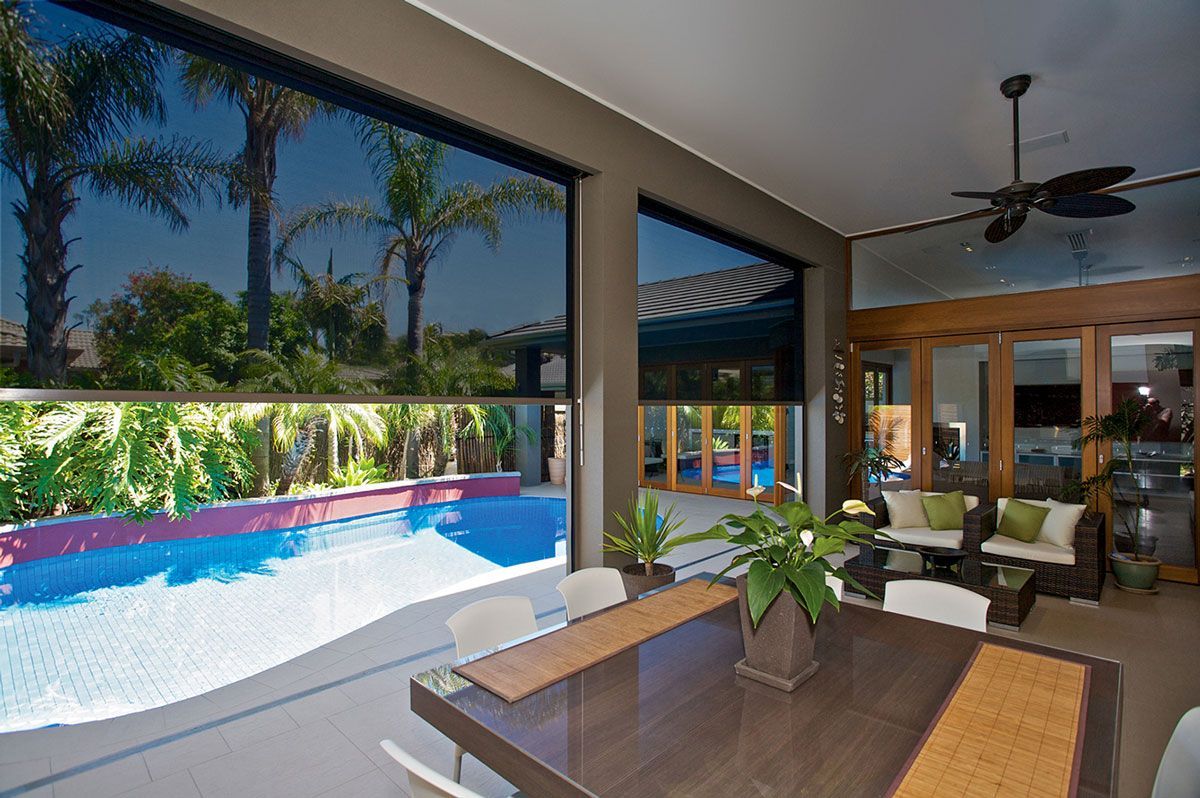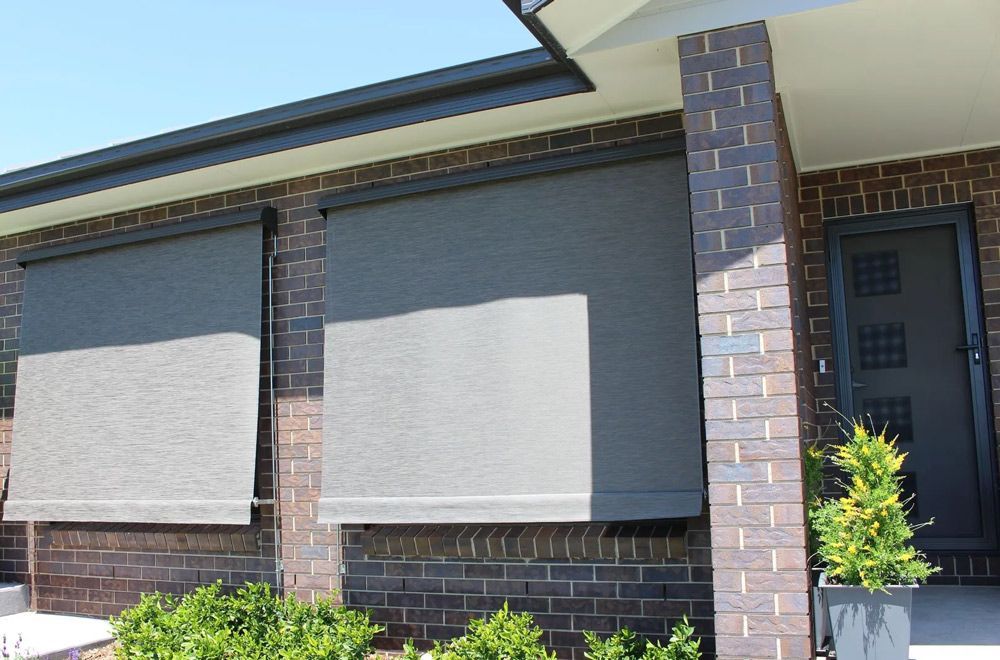
How To Clean And Maintain Your Awnings: A Complete Care Guide
Awnings are a valuable addition to any home, providing shade, improving outdoor comfort and helping protect windows and outdoor areas from the elements. However, exposure to sun, rain, salt air and humidity can gradually affect their appearance and performance if they are not properly maintained. For homeowners with
awnings in Newcastle, regular care is especially important due to the region’s coastal conditions. Understanding how to clean and maintain your awnings can help extend their lifespan, preserve their appearance and ensure they continue performing as intended for years to come.
Why Regular Awning Maintenance Matters
Like any outdoor feature, awnings face constant exposure to weather, airborne debris and environmental contaminants. Over time, dirt, dust, bird droppings, mould and salt deposits can build up on surfaces and cause unnecessary wear.
Consistent awnings maintenance helps:
- Preserve the appearance of the awning
- Prevent premature deterioration of fabrics and finishes
- Reduce the risk of mould and mildew growth
- Protect moving components and mechanisms
- Extend the overall lifespan of the installation
Regular inspections also allow homeowners to identify minor issues before they become costly repairs.
How Often Should You Clean Your Awnings?
The ideal cleaning schedule depends on the type of awning, its location and the surrounding environment. Properties located near the coast often require more frequent maintenance due to increased exposure to salt-laden air and moisture.
As a general guide:
- Light cleaning every one to three months
- Thorough cleaning every six to twelve months
- Additional cleaning after storms, strong winds or heavy pollen seasons
- Seasonal inspections of frames, brackets and moving components
While many homeowners initially focus on installation quality when searching for awnings near me, ongoing maintenance plays an equally important role in long-term performance.
How to Clean Fabric Awnings
Fabric awnings require gentle cleaning methods to avoid damaging the material or protective coatings. Understanding how to clean awnings correctly helps maintain their appearance while protecting the fabric.
Step 1: Remove Loose Debris
Use a soft brush or broom to remove leaves, dust, cobwebs and other loose debris from the fabric surface.
Step 2: Prepare a Mild Cleaning Solution
Mix warm water with a mild soap that does not contain harsh chemicals, bleach or abrasive ingredients.
Step 3: Gently Clean the Fabric
Apply the solution using a soft brush or sponge. Work in sections and avoid excessive scrubbing, which may damage the fabric fibres.
Step 4: Rinse Thoroughly
Use clean water to remove all soap residue. Leftover detergent can attract dirt and affect the fabric’s finish.
Step 5: Allow the Awning to Dry Completely
Keep the awning extended until it is fully dry. Retracting damp fabric can encourage mould and mildew growth.
Following these steps as part of your regular awning care routine can help maintain both appearance and functionality.
Cleaning and Caring for Metal and Colorbond Awnings
Metal and Colorbond awnings generally require less maintenance than fabric options, but they still benefit from regular cleaning and inspections.
To keep metal awnings in good condition:
- Wash surfaces with mild soapy water
- Rinse thoroughly to remove dirt and salt deposits
- Avoid abrasive cleaning products or steel wool
- Inspect for scratches, chips or signs of corrosion
- Check mounting points and fasteners periodically
Regular cleaning helps preserve protective coatings and reduces the risk of surface deterioration, particularly in coastal environments.
Maintaining Awnings in Newcastle's Coastal Climate
Coastal conditions can place additional demands on outdoor products. Salt air, humidity and strong UV exposure often accelerate wear compared to inland areas.
For homeowners with awnings in Newcastle, several maintenance practices can help minimise environmental impacts:
- Rinse awnings periodically to remove salt residue
- Inspect metal components for early signs of corrosion
- Keep drainage areas clear of debris
- Monitor fabrics for fading or moisture retention
- Schedule routine inspections after severe weather events
Salt carried by coastal winds can gradually accumulate on awning surfaces and hardware. If left untreated, this build-up may contribute to corrosion on exposed metal components and reduce the effectiveness of protective finishes. Regular rinsing can help minimise these effects and keep awnings looking cleaner for longer.
Humidity can also create conditions that encourage mould and mildew growth, particularly on fabric awnings that remain damp for extended periods. Ensuring adequate drying after rain and removing organic debris such as leaves can help reduce moisture retention.
Strong UV exposure is another important consideration. Continuous sun exposure can gradually fade fabrics and place stress on materials over time. This is why coastal awning fabrics are often designed to withstand harsher environmental conditions.
Quality materials designed for coastal conditions are important when selecting awnings for coastal properties, but ongoing maintenance remains essential for long-term durability.
Caring for Retractable and Motorised Awnings
Cleaning retractable awnings involves more than simply maintaining the fabric surface. The moving components and operating mechanisms also require attention to ensure smooth operation.
Helpful maintenance practices include:
- Keep tracks and moving parts free from dirt and debris
- Inspect arms, joints and brackets for wear
- Check for unusual noises during operation
- Ensure sensors and motor controls function correctly
- Retract awnings during extreme weather when recommended
Regular servicing can help identify mechanical issues before they affect performance or cause damage to the system. Homeowners should also periodically check that the awning extends and retracts evenly. Any resistance, unusual movement or changes in operation may indicate that adjustments or servicing are required. Keeping moving components clean can help reduce unnecessary strain on the system and support reliable long-term performance.
Signs Your Awning Needs Professional Servicing
While routine cleaning can be handled by homeowners, some issues require professional assessment and repair.
Common signs that indicate servicing may be needed include:
- Difficulty extending or retracting the awning
- Visible corrosion on hardware or structural components
- Sagging fabric or uneven tension
- Water pooling on the surface
- Mould growth that persists after cleaning
- Excessive fading, tearing or fabric damage
- Unusual noises from motorised systems
Knowing how to maintain awnings includes recognising when expert assistance is required. Addressing issues early can often prevent more extensive repairs and help extend the life of your awning.
Book Professional Awning Servicing Today
Regular cleaning, inspections and preventative maintenance can help preserve the appearance and performance of your awnings over time. Removing salt build-up, addressing minor issues early and caring for moving components can all help reduce wear in coastal conditions. A consistent maintenance routine is one of the most effective ways to protect your investment and avoid unnecessary repairs.
If your awnings are showing signs of wear or you would like guidance on ongoing maintenance,
contact Maxview Blinds & Shutters today. Our team can help identify potential issues, recommend the right care approach and keep your awnings performing at their best. For assistance with
awnings in Newcastle, get in touch with our team.